13 ships from Carnival Corporation’s cruise lines will be scrapped or sold, as a result of the COVID-19 pandemic. Carnival Chief Executive Officer Arnold Donald revealed the news on Fri, as the company looks to cut costs and reorganise. The cruise giant came into the pandemic with 104 ships across...
13 ships from Carnival Corporation’s cruise lines will be scrapped or sold, as a result of the COVID-19 pandemic.
Carnival Chief Executive Officer Arnold Donald revealed the news on Fri, as the company looks to cut costs and reorganise.
The cruise giant came into the pandemic with 104 ships across nine brands, and announced the sale of six ships last month (CW 19 Jun).
The 13 vessels amount to a nearly 9% reduction of capacity for Carnival.
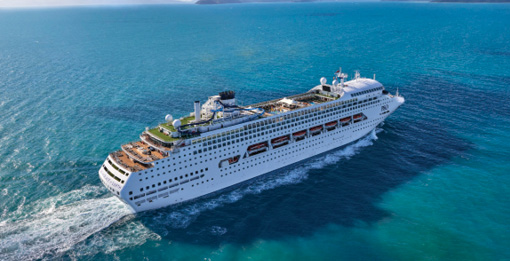
At present, just Costa Cruises’ Costa Victoria and P&O Cruises’ Oceana are known to be departing, as well as ships which had confirmed to be leaving before the pandemic, such as Pacific Aria and Pacific Dawn (pictured).
Donald also said Carnival’s 16 vessels on order would roll out at a slower pace over the next couple of years, although no ship orders will be cancelled.
The Carnival boss said the capacity of the company’s ships would not return to pre-pandemic levels until 2022 at the earliest.
Meanwhile, Chief Financial Officer David Bernstein added the company needs 25 ships sailing at full occupancy to break even.
Depending on size, Bernstein said 30%-50% occupancy is required to break even per ship, and based on 2019 numbers, Carnival would need to operate about 15 ships to be cash-flow positive, and 25 to cover costs for the rest of the ships in lay-up, as well as all shoreside sales and general and administrative costs.
Carnival’s top 15 ships generate between 30% and 31% of the company’s cash flow.
The company said it is “very encouraged” by current bookings, with 60% of sales during the first three weeks of Jun new cash bookings, and some even new to cruising altogether.
Nearly two-thirds of Carnival’s customers – almost eight million – are returnees.
“We expect demand to be more than adequate to fill ships”.