





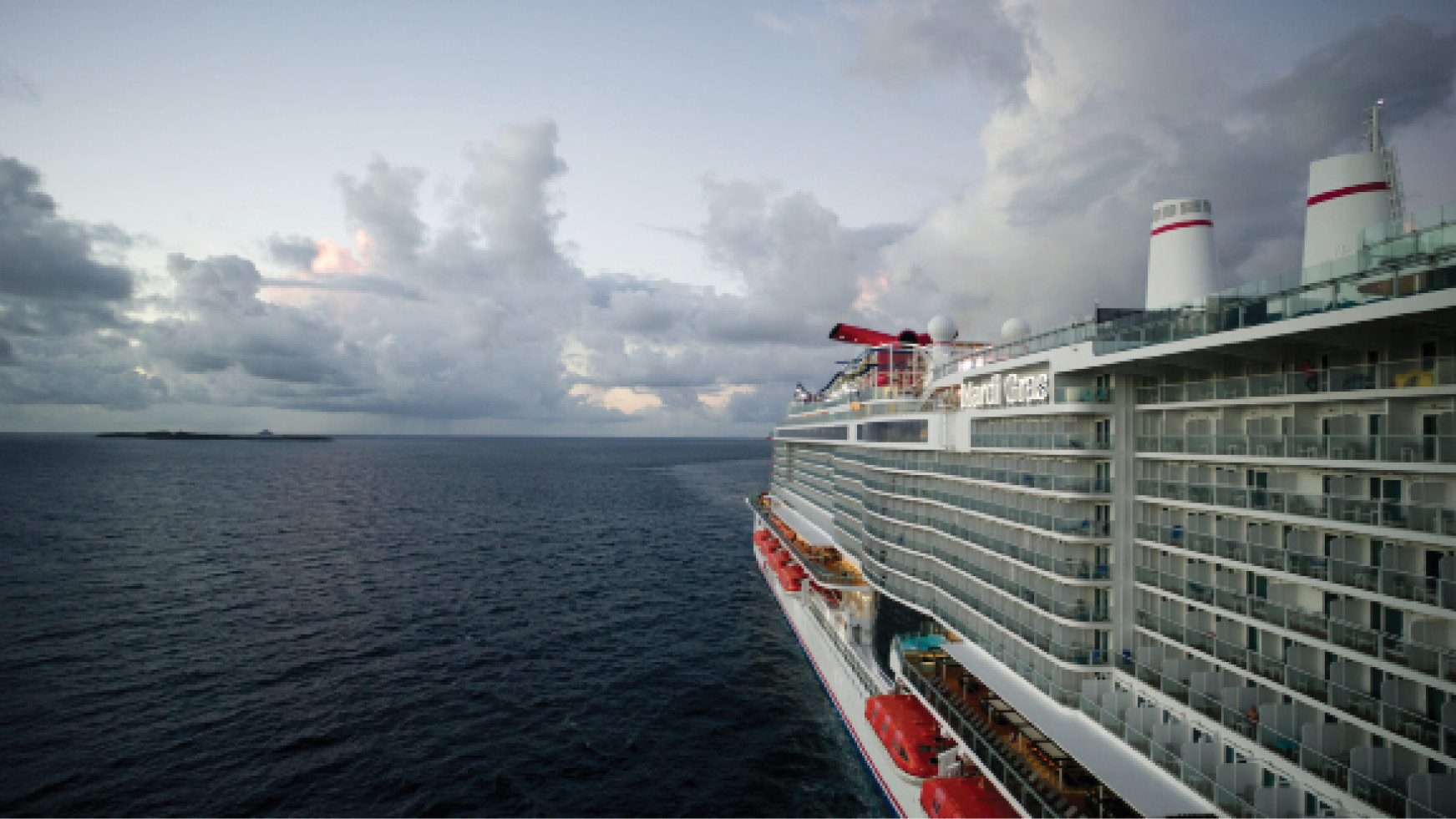
CRUISE lines are set to sail into higher costs, according to a report by Reuters, as oil prices increase due to the Iran war.
Analysts have warned Carnival Corporation could take the biggest hit to its profit as it is the only major cruise company that does not hedge fuel.
Prices have risen more than 35% since the beginning of the war as attacks on oil and transport facilities across the Middle East, and disruptions to energy flows through the Strait of Hormuz, raise concerns about supply.
Brent crude was priced at US$101.7 per barrel (approximately A$143) this morning, compared with US$72.48 before the conflict began (approximately A$102.5).
Iran has cautioned oil prices could surge as high as US$200 per barrel (approximately A$282.8) if the conflict continues.
A 10% change in fuel cost per metric ton would reduce Carnival’s net income by US$145 million (approximately A$205 million), Reuters reported, compared with US$57 million (approximately A$80.6 million) for Royal Caribbean.
Norwegian Cruise Line said it has not updated its fuel hedges since earlier this month, which means its full-year profit would be hit by seven cents per share.
This is equivalent to a roughly US$90 million fall in net income (approx A$127m), according to calculations by financial services firm Morningstar.
Carnival’s fuel costs comprised 17.7% of its total revenue when the Russo-Ukrainian war broke out in 2022, compared with 12.1% for Royal Caribbean and 14.2% for Norwegian.
“Our best hedge against fuel costs is to use less, so we focus on using less fuel in the first place,” Carnival told Reuters in an e-mailed statement.
“We’ve cut our fuel use by 18% since 2011 despite increasing capacity by roughly 38% during that time,” the company said, adding it does not see a long-term net benefit in hedging.
Carnival Corp is expected to report first-quarter results later this week.
CLICK HERE to read the full Reuters article.
